.webp)

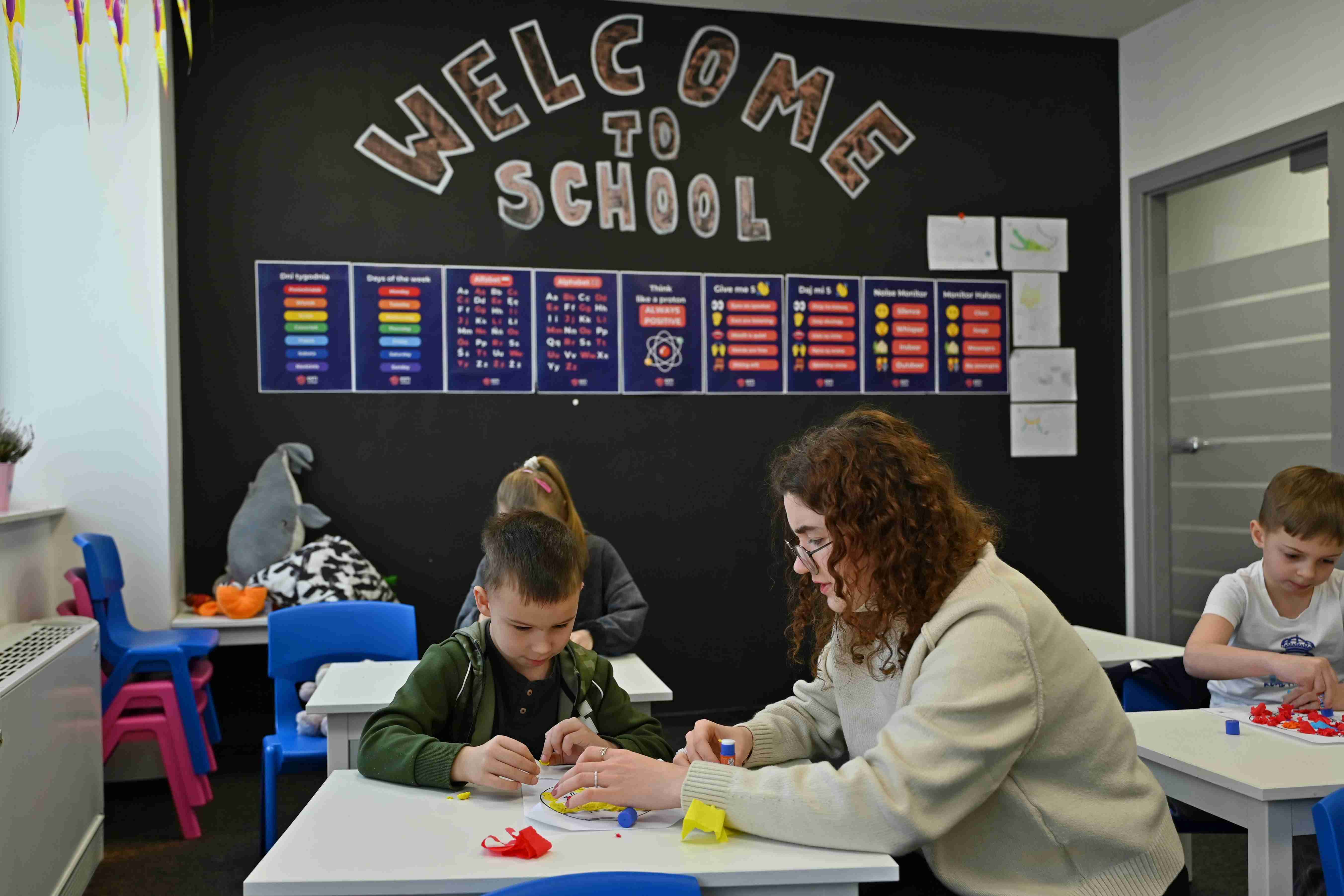
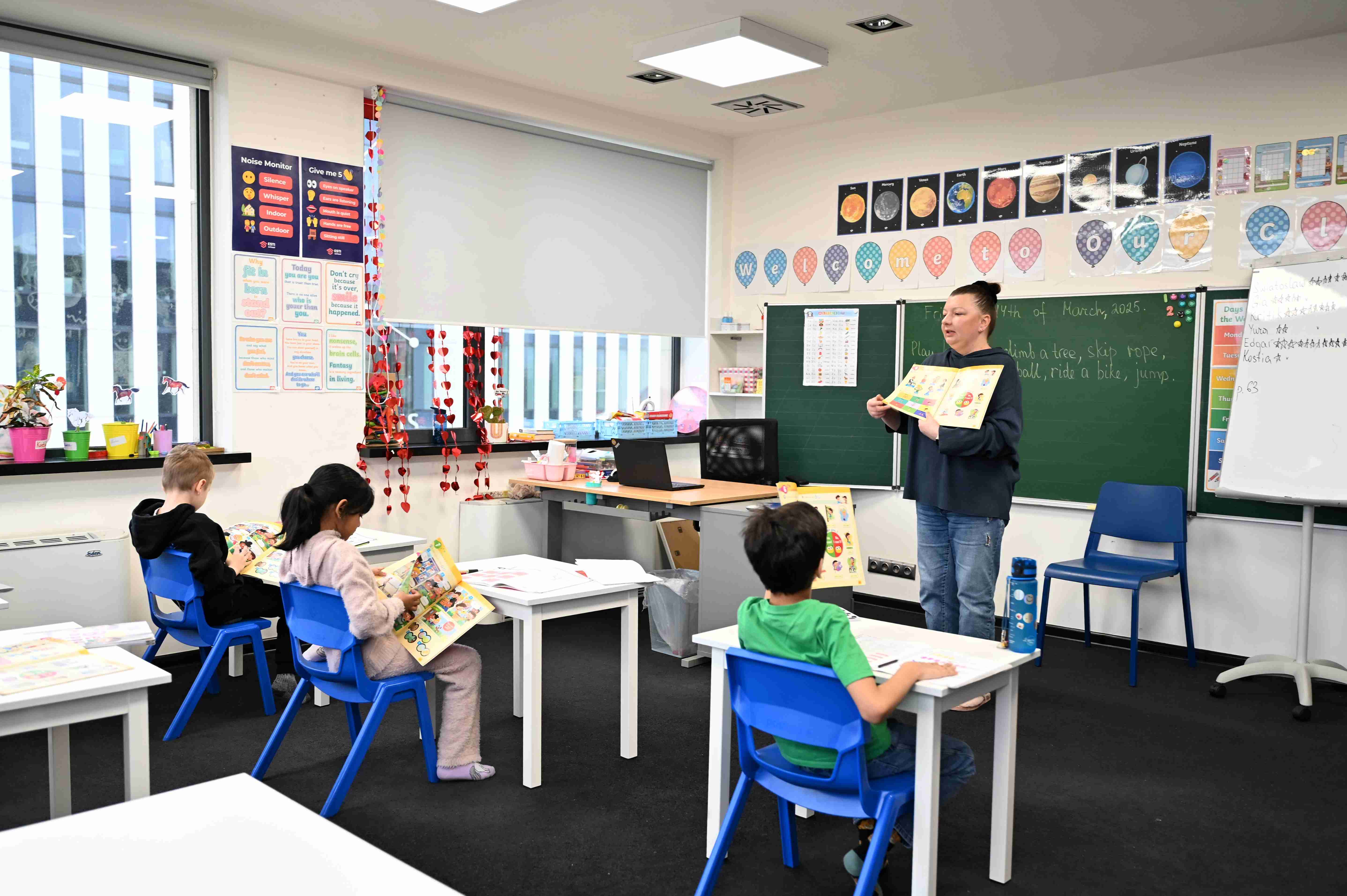
Children practise using English through conversations, stories, games, movement and real-life situations

Every child has more opportunities to participate, speak and receive individual attention.

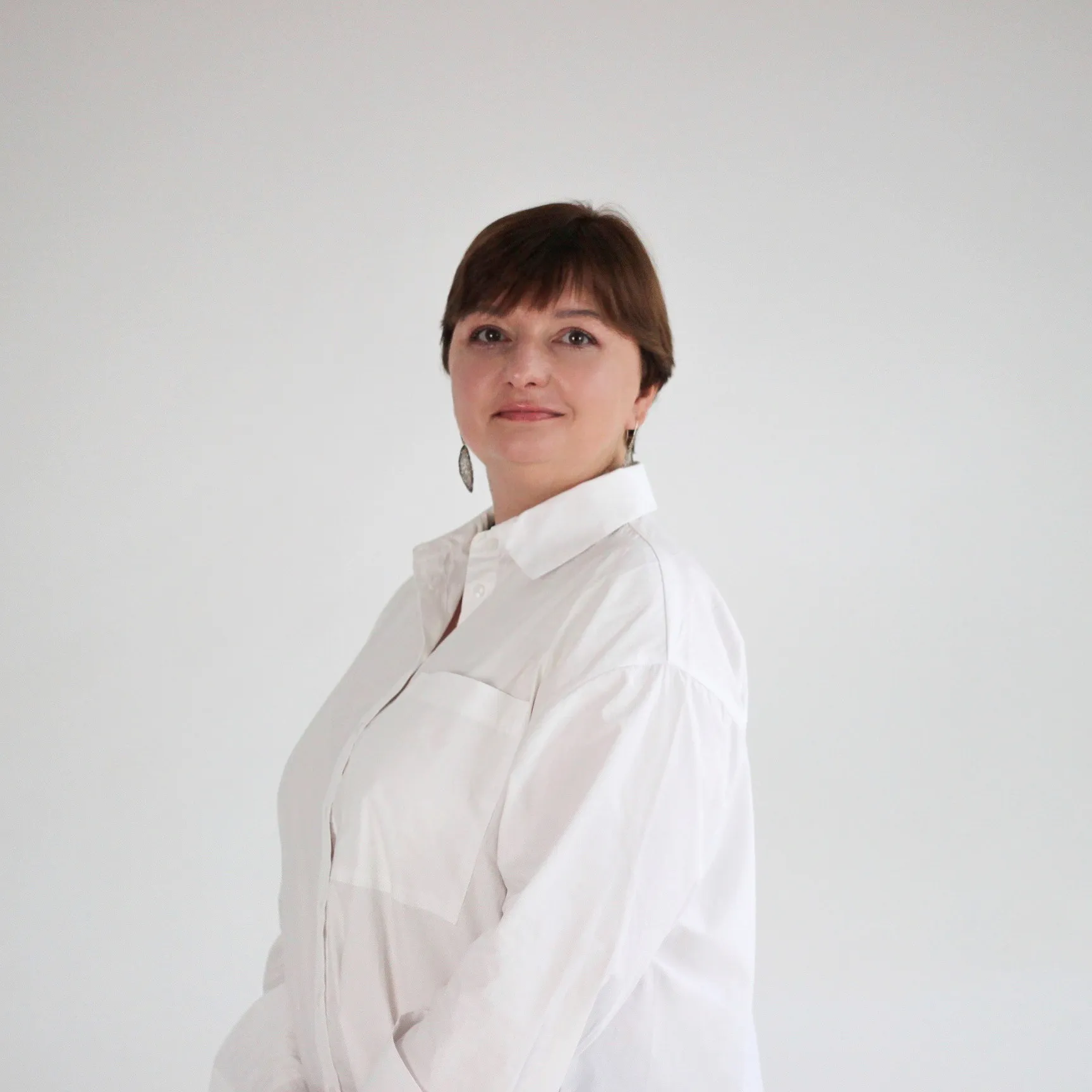
Our teachers combine professional teaching qualifications with extensive international experience working with children. They are trained in the communicative approach through the CELTA course and have experience teaching children of different ages, levels, and backgrounds.
.webp)
At ESTI, English becomes part of a child's everyday experience. We combine English learning with games, movement, creative activities, communication and teamwork, while also involving parents through progress updates and simple activities that encourage children to use English outside the classroom.

We adapt the level, pace, and complexity of activities to each child's age, current English level, motivation, and individual needs. Children receive additional support when needed, while activities can be made more challenging when they are ready to progress further.
A positive first step into English.
Young children learn through play, movement, flashcards, songs and simple communication — building familiarity with English while enjoying the experience.
Your child will practise:
By the end of the course, children will build a practical vocabulary around the programme topics, become more comfortable understanding and responding to English, and learn simple phrases they can use in everyday situations. They will also develop confidence communicating and cooperating with others based on your actual programme.
Building practical English and confidence.
Older children develop their English through active communication, vocabulary building and age-appropriate tasks that encourage them to use English rather than simply memorise it.
Your child will practise:
By the end of the course, children should be able to understand and respond to increasingly complex English, communicate their ideas with greater confidence, and use the vocabulary and structures covered in the programme in practical situations. We aim to work towards A2-level English, with Cambridge A2 Flyers as a reference point. Individual progress depends on the child's starting level, engagement during lessons and regular practice outside the classroom.
Learning happens through interaction
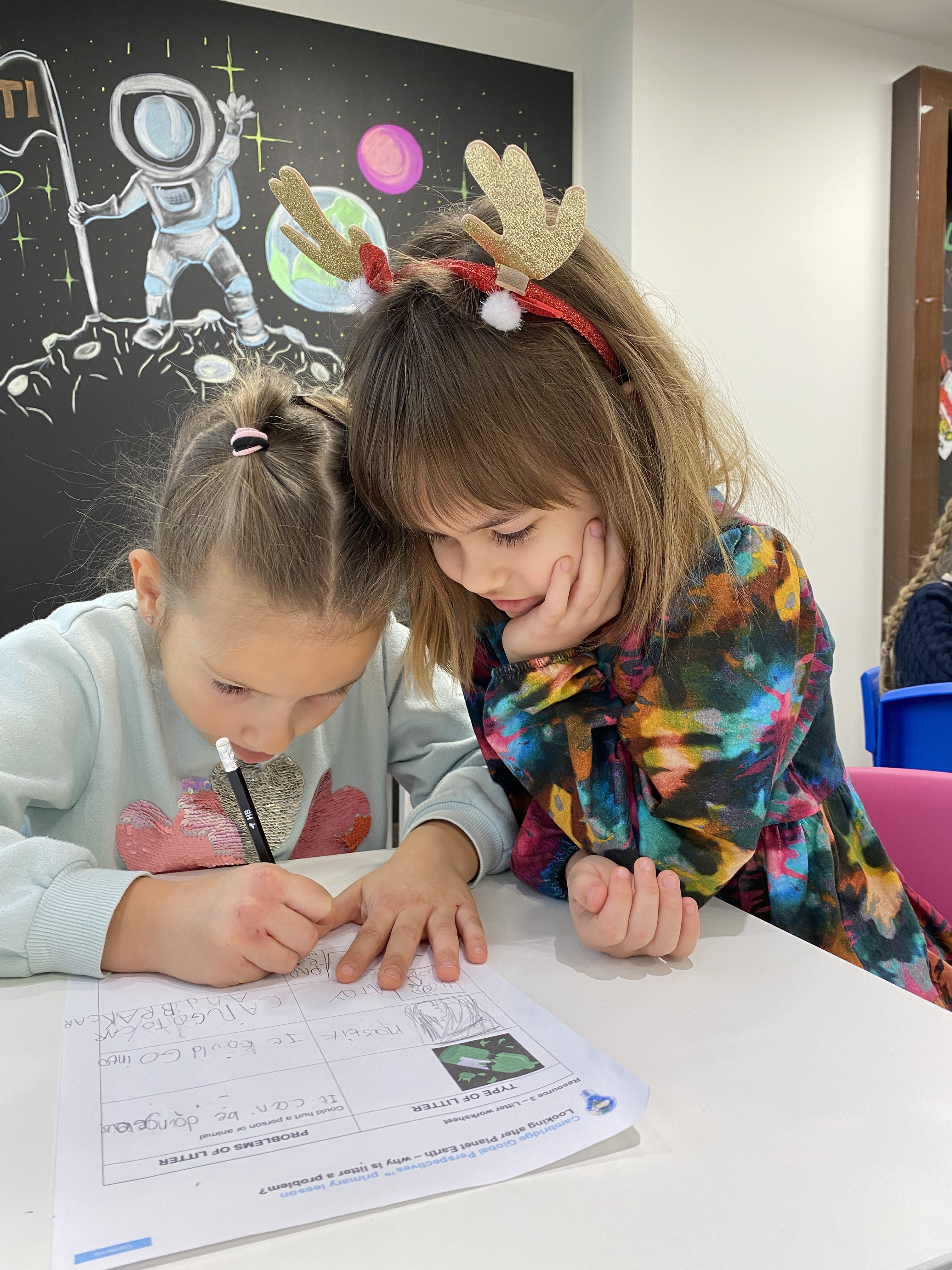
Children don't spend the lesson simply listening to a teacher or completing worksheets. Instead, they learn by speaking, listening, moving, playing, reading, creating and interacting with others.
Lessons also include:

Children learn best when they feel comfortable with the person teaching them. Our English courses are taught by experienced teachers who know how to work with children and create opportunities for them to actively use English.

Mr. Jan is a native English speaker from England with a Master’s degree in Education and extensive international teaching experience. He worked at the British Council in Kraków for five years before joining ESTI, and has also taught in China, Costa Rica, Spain, Slovakia and at the International School of London. He uses a communicative approach, encouraging students to learn not only from the teacher but also through interaction and sharing experiences with one another. This approach allows students to learn at their own pace, recognise their strengths and identify areas where they can improve. Outside of teaching, Jan enjoys reading, going to the theatre, cycling, tennis and staying active.

Ms. Natali is an English teacher with a Master’s degree in Linguistics and 22 years of teaching experience. She began her teaching career at a linguistic university in Kyiv and later moved to China, where she taught English to children. Her international experience strengthened her passion for teaching and working with young learners. At ESTI, she focuses on building strong relationships with her students and creating a friendly, supportive classroom environment. She encourages children to talk about things that are important to them, share ideas and learn from one another. She believes that learning is most effective when children feel comfortable, connected and actively involved in the classroom.
Maximum 6 children per group
In a small group, children have more opportunities to speak, ask questions, participate and receive feedback from their teacher.
More speaking time
Lessons are highly interactive, giving every child regular opportunities to speak, answer questions and use new vocabulary in conversation.
More individual attention
With a maximum of 6 children per group, teachers can notice where each child needs support and adapt activities to their individual needs.
More participation
Every child gets more opportunities to take part in games, discussions, pair work and group activities without having to wait for a large class to respond.
More confidence
A small, supportive environment makes it easier for children to speak English, make mistakes and gradually build confidence in using the language.

English isn't only about learning new words. We want children to become comfortable using English to communicate. Depending on their age and level, children work on:
Speaking
Expressing ideas, answering questions and participating in conversations.
Listening
Understanding teachers, classmates, conversations and spoken English.
Vocabulary
Building and actively using the words and phrases they need to communicate.
Reading & writing
Younger children focus mainly on listening and speaking, while older children gradually develop reading comprehension and writing alongside their other language skills.
Communication confidence
Using English even when they aren't sure that every sentence is perfect, and becoming more comfortable being addressed in English.
Learning with others
Sharing ideas, working in pairs and groups, and learning through interaction with classmates.
Independent learning
Children learn to recognise what they already know, identify areas where they need more practice, and gradually take greater responsibility for their own progress.
Not sure whether ESTI is right for your child? Come for a free, full-length English lesson and let your child experience the class, teaching approach and activities before you decide.
Your trial lesson is a real lesson — not a shortened version. Your child takes part in a full 45-minute English class, with the same interactive activities and teaching approach used in the regular course.
Book a free trial lessonStudent achievements
Our students' results in the nationwide ZUCH English Language Competition — including national Top 5 placements and 9 laureate diplomas.
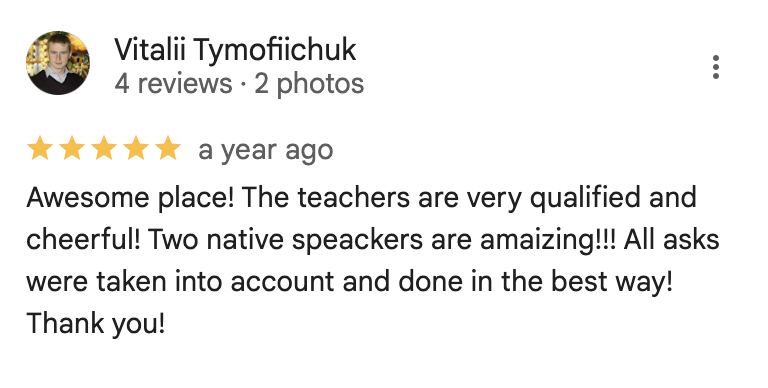
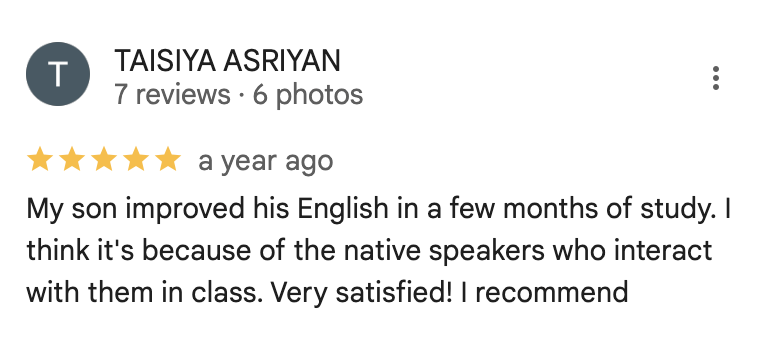
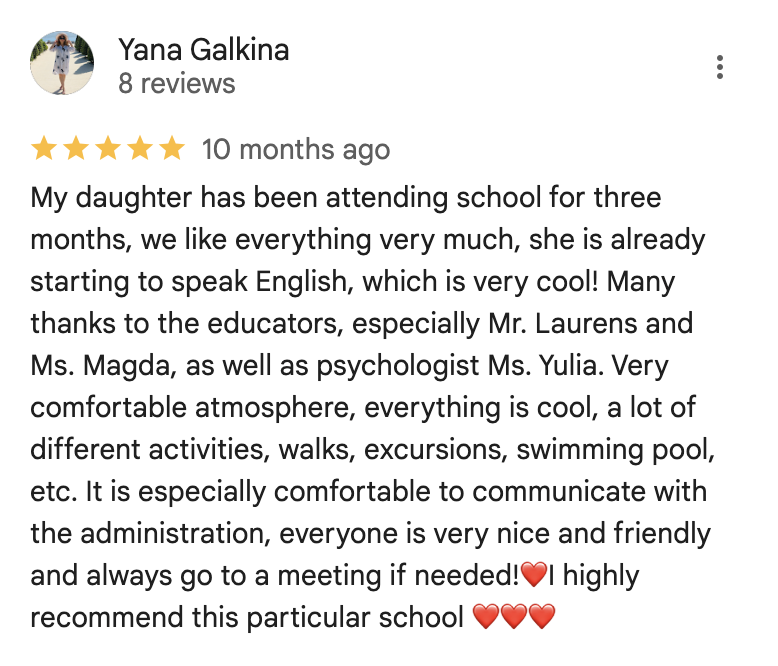
What parents say


Do you feel your child's English language development has improved this year?
6 responses
| Online/offline | Ages 3–6 | Ages 7–12 |
|---|---|---|
| Once a week | 65 PLN / lesson | 75 PLN / lesson |
| Twice a week | 55 PLN / lesson | 65 PLN / lesson |
| Lesson length | 45 min | 60 min |
| Group size | Up to 6 | Up to 6 |
| Fees include | All teaching and classroom materials needed for the course. Access to all activities and learning resources used during lessons. Student books are not included in the course fee and are purchased separately. | All teaching and classroom materials needed for the course. Access to all activities and learning resources used during lessons. Student books are not included in the course fee and are purchased separately. |
| Address | Profesora Michała Życzkowskiego, 19 — or Online via Google Meet/Zoom | Profesora Michała Życzkowskiego, 19 — or Online via Google Meet/Zoom |
| Schedule | Monday and Wednesday 16:30, or Tuesday and Thursday 16:30 | Monday and Tuesday 17:30 |
| Online/offline | English Teacher | Native Speaker |
|---|---|---|
| 60-minute lesson | 175 PLN | 190 PLN |